Case Timeline
1996: The Disappearance and Initial Search
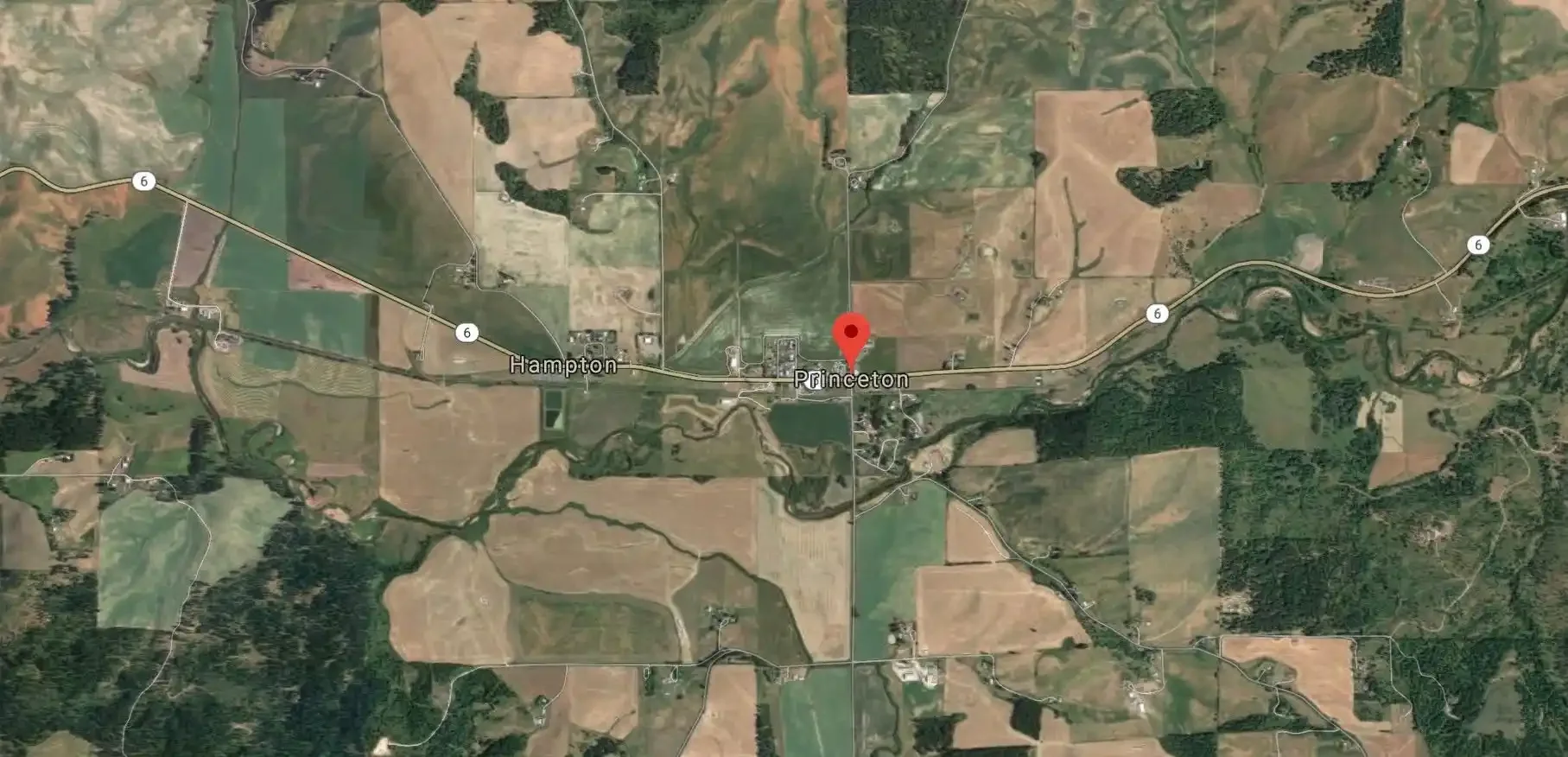
Friday, May 17, 1996 (Evening): Hazel attends a local pinochle tournament at the Princeton Grange Hall. She spends the evening socializing, wins $7 in the tournament, and leaves to drive the short distance back to her home along State Highway 6. This is the last time she is seen alive.
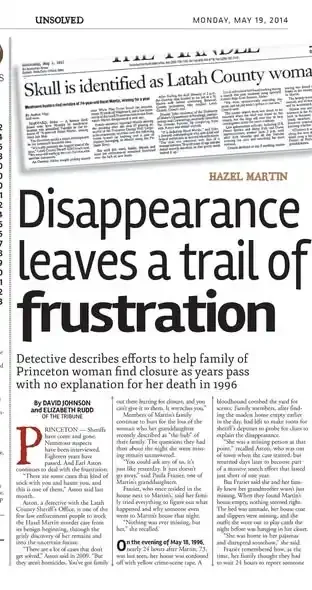
Saturday, May 18, 1996 (Morning): A family member arrives at Hazel’s home to check on her. They discover her newspaper still in the door and the drapes drawn. Inside, her purse, eyeglasses, and car keys are left behind, but Hazel is gone. There are no signs of a struggle or forced entry. The Latah County Sheriff’s Office is immediately notified.
Late May 1996: Law enforcement, tracking dogs, and hundreds of local volunteers launch an extensive ground search of the rugged, wooded terrain around Princeton, Potlatch, and the Palouse River.
June 1996: Search teams achieve a major breakthrough when they locate two pillows, two bedsheets, and a pair of slippers belonging to Hazel near the Palouse River. The items are collected for forensic processing, confirming foul play is involved.
1997: The Discovery
Monday, May 5, 1997: Nearly one year after Hazel vanished, mushroom hunters walking through a heavily wooded area approximately 50 yards off Highway 6, just a few miles north of her home, discover human skeletal remains.
May 1997: The Latah County Sheriff’s Office seals the site, utilizes specialized human remains detection dogs to recover further evidence, and uses dental records to officially identify the remains as Hazel Martin. An autopsy confirms her death was a homicide.
1998–Present: The Cold Case Investigation
Late 1990s–Early 2000s: Investigators vet local leads, interview neighbors and attendees from the card party, and cross-reference regional timelines of transient offenders passing through the Highway 6 corridor. No official suspects are named.
Present Day: The case remains an open, active homicide investigation under the jurisdiction of the Latah County Sheriff's Office. Preserved physical evidence from the house, the river, and the recovery site remains held for periodic evaluation against emerging forensic capabilities like advanced touch-DNA and investigative genetic genealogy.